Episode 160
64 mins
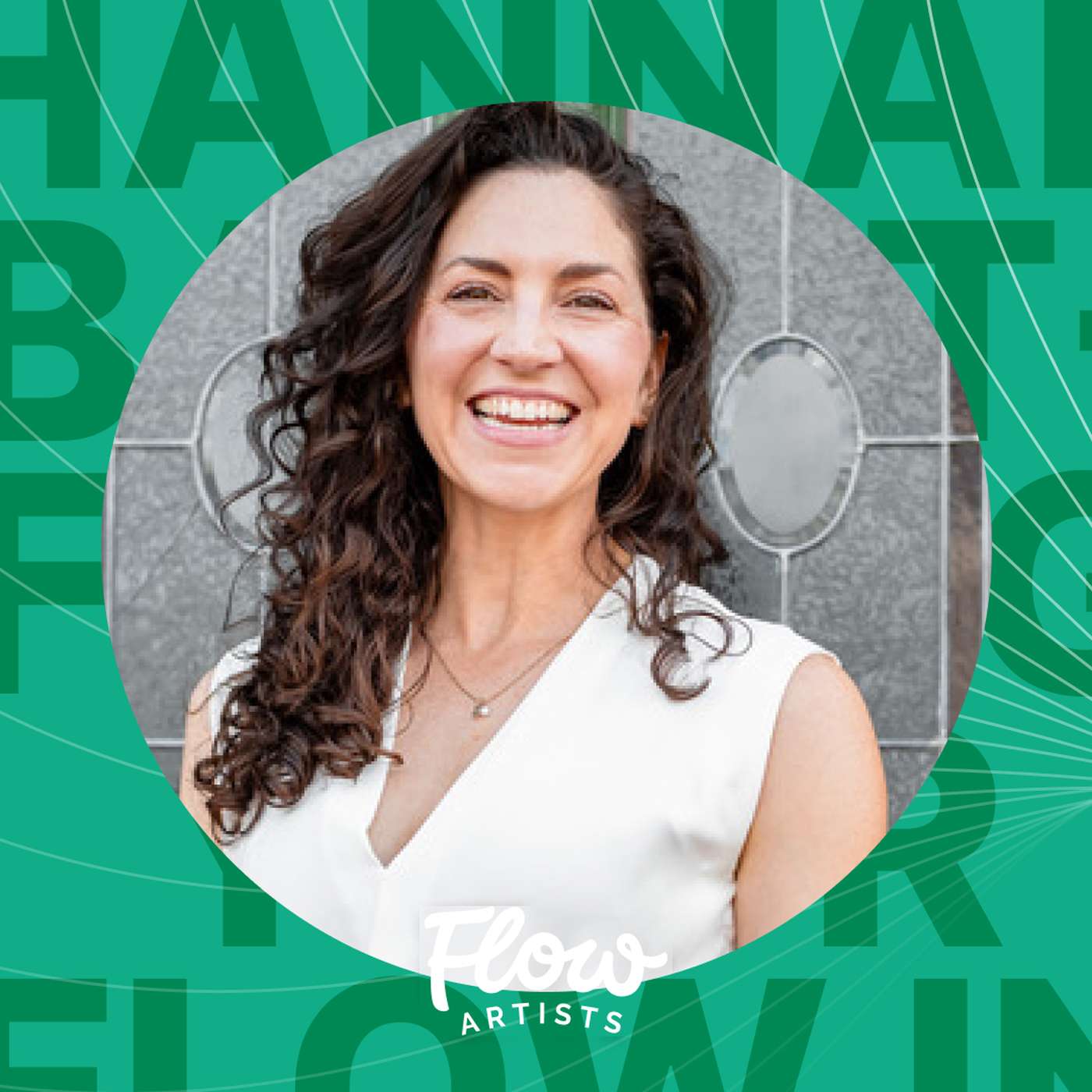
Hannah Balint - Finding your flow in a new city
What does it truly take to rebuild your life - and yourself - in a new country? In this deeply personal and practical episode, host Jo Stewart sits down with Hannah Ballantyne, a UK-born yoga teacher and relocation coach, to explore what repeated international moves have taught her about identity, connection, and the courage it takes to start over.
Hannah shares her remarkable journey across the UK, Vietnam, Australia, and the United States, tracing how a transformative first yoga class in Hanoi surrounded by the sounds of roosters and motorbikes sparked a career and a philosophy built around movement. From her bicultural English-Swiss upbringing to navigating visa complications in Melbourne and profound loneliness in the US, Hannah brings hard-won wisdom to every stage of the conversation.
Key topics include: the surprising emotional weight of even chosen relocations and the grief that comes with leaving an identity behind; why making friends becomes significantly harder in your 30s and beyond; practical strategies for building community in a new place (including why your dog and your local barista may be your most valuable social assets); how to distinguish between moving toward something versus away from something before you go; and the role of technology in keeping long-distance friendships alive across time zones.
Hannah also offers insight into her coaching work, where she helps clients — particularly accompanying partners who move for a spouse's career — navigate the internal experience of relocation, not just the logistics. Her approach centres on helping people recognise their own agency: "I have never felt more lonely than when I first moved to the US... and yet I still had agency over my choices." It is this shift in perspective, she argues, that transforms relocation from something that happens to you into something you can actively shape.
Whether you are planning an international move, supporting someone who is, or simply curious about what movement — physical and geographical — can reveal about who we are, this episode offers both the practical tools and the emotional permission to navigate change with more grace and self-compassion.
Links
Hannah’s podcast: https://open.spotify.com/show/6MKy7T7vvRlP1y15Yhvi70?si=a79bc5e9591b4c46
Hannah’s website: https://www.hannahbalintcoaching.com/
Hannah’s instagram: https://www.instagram.com/hannahbalint/
AppSumo: https://appsumo.8odi.net/R0Gmx9.
Use the code SOUNDMADESEEN for a 10% discount off any product!
Transcription
Please email us to report any transcription errors
Rane: Hello, my name is Rane and this is the Flow Artist Podcast. Together with my co-host Jo Stewart, we speak with extraordinary movers, thinkers, and teachers about how they find their flow and much, much more. But before we dive in, we want to take a moment to acknowledge and honour the traditional owners of the unceded land where this episode was recorded, the Wurundjeri people of the Kulin Nation. We pay our deepest respects to the elders both past and present and acknowledge the emerging leaders within their community. This week, Jo is speaking with Hannah Ballantyne. Hannah is a UK-born yoga teacher and relocation coach who has lived and worked across the UK, Vietnam, Australia, and the United States. After a period working as an English teacher, she began teaching yoga in 2010 and has rebuilt her life and career multiple times while moving internationally. She now supports people navigating the emotional and identity challenges of relocation. Her work centres on belonging, reinvention, and helping people move forward with clarity and self-trust rather than pressure. It's a great conversation, and we hope you enjoy listening.Jo: Well, Hannah, it's so great to talk to you today. I'm excited to see you on my screen, and I'm really interested to hear about your work helping people get comfortable and feel inspired as they move across the world. But maybe we could start with your own background and where you grew up.
Hannah: Yeah, hi, it's so fabulous to see you, and thank you for having me today, Jo. So I have a very strange accent now because I grew up in the south of England And I lived a good sort of nearly hour's drive south of London. So sort of halfway between London and the south coast of England. My parents still live in my childhood home in a place called Farnham in Surrey. And I lived there until I was, well, lived in the UK until I was about 26. And Another little interesting fact, my mum is from the UK, but my dad is actually from Switzerland. So, we would very frequently be taking holidays just over to Europe every year. In fact, we used to jump in the car as a family with my brother, mum, and dad, and we would literally take a ferry or take a train over to France or Italy. Or Germany or Switzerland, and we would kind of take a couple of weeks and just drive around and camp. So those are sort of my background of, of trips and travel type holidays. My dad was an only child, so we didn't have a huge family there, but he still stayed in touch with some really awesome friends that, that we still connect with now as well. And yeah, it was a really beautiful place to grow up. I still actually really love where I'm from in the UK. Lots of people that leave England like, I'm never going back. I don't necessarily feel like that. I, I could go back home if circumstances were different, but I'm also really happy to be able to explore the world like I have. What else do you want to know? Apart—
Jo: so when I write in thinking, were you a dancer when you a kid and growing up.
Hannah: Yes, I was, exactly. So I, I think I started probably at the age of 4 going to ballet lessons, and I continued that for a good— I don't know, I think it's a slightly sad story. My teacher actually passed away, so I think I stopped when she passed away. She— I was about 12, I think. I probably would have continued a little bit longer, but that was sort of just— I didn't want to go to any other teacher at the time. So yes, I danced a lot all the way up until I was 12. I was very into performing and being on stage. I also played musical instruments growing up, so that's actually what I went and studied at university. I don't know if you knew that about me. No, I, uh, I played the violin and the saxophone phone for a very long time. And so, yeah, I loved being on the stage. So I say I loved being centre of attention. It was about that. I just didn't— I felt pretty confident putting myself in front of people, I guess, from a young age. And I do think that dance was probably a big part of that for me. My teacher would get us to perform a lot. And then when I started playing the violin, the same thing. My teacher would set up lots of performances as well. So I think I was just used to putting myself in front of people and performing, which is—
Jo: it's very different, but that's also what we do as yoga teachers as well. And that's how me and Hannah originally met each other, teaching yoga. And when did that become part of your, like, life?
Hannah: Yeah, so that was, that was a lot later. So I I was quite sort of not super sporty when I was younger, but I would say that I was, you know, into dance, tennis, running, swimming when I was young. And then everything kind of stopped at the age of 16, and I became a teenager and started having more interests in going out with my friends. And so between the age of 16 and 26, I had no interest in moving my body at all.
Jo: So, like, not even on the dance floor with your friends?
Hannah: Oh, that was it.
Jo: Yeah.
Hannah: Okay, so that was it. Drinking, probably in the nightclub, and yep, that was about it. So those 10 years, I definitely lost touch with my physical body, and I really remember that because I remember at the age of 26 when I moved to Vietnam, which is the first time that I lived overseas, I found yoga and it was like duck to water. I just remember walking into my first yoga class in Vietnam and I was, I went along with someone that I just met and I was desperately seeking, I guess the word would be connection, tranquility. I mean, when I first moved to Vietnam, anyone can imagine if they've ever been to a place like Vietnam. Coming from a Western country, every sense is bombarded when you're living in Vietnam. The sounds, the smells, everything, tastes, even the humidity.
Jo: It's so— yeah.
Hannah: Oh yeah, the weather, everything is just so different, especially coming from England. And I just remember one of the other teachers— so I went there as an English teacher— I remember one of the teachers saying Hey, I'm going to this yoga class, you wanna tag along? And it was more about sort of connection with her. And I didn't really think too much, I don't think, about it, although I just started to move my body a little bit more about a year before I left. And I just remember being on that yoga mat and I remember hearing all of the cockerels and the roosters outside. Roosters for Aussie Americans. Cockroaches for English, outside and they were crowing. And I remember a real vivid imagery and sensory experience of lying on my mat and for the first time kind of being okay with those unusual sounds that I was hearing outside with the mixed in with the motorbikes and the honking and the street vendors calling out. And then I just remember it was probably at the end. So sorry, it wouldn't have been at the beginning, it would've been at the end of the class. And I just remember feeling like, oh wow, what an experience that was for me on every level. But really suddenly realising how much I'd missed connecting to my body was such a revelation in that first class. Yeah. Of doing yoga. And by the way, I'm very aware that most people's first experience of yoga isn't 'Oh, this is amazing.' In fact, it can be quite the opposite for, for a lot of people. But I think it was probably a bit of a timing thing. I think, you know, I had had so much physical movement as a kid and then just bringing myself back to that connection, it actually felt like coming home.
Jo: I love practising yoga on my travels. Like, it feels so grounding, but also it's like one of those ways to experience like the culture of a place.
Hannah: Totally.
Jo: And like sometimes it can be quite touristy. Like sometimes you're going to the yoga class and it's all white people, but sometimes it's not.
Hannah: And also, yeah, no, that's so true. Yes, it will, it will depend on where you go to.
Jo: Yeah, yeah, yeah. But yeah, it can be a really beautiful way just to like ground yourself in to a new place and experience it in a different way versus just kind of like seeing it all as a tourist.
Hannah: Absolutely. My favourite way to practise yoga is actually in a group setting, I've come to realize. And I just love this experience of moving bodies together. And that is so fabulous when— actually, the studio that I went to, there weren't that many Westerners. It was very much local people. I'd say at least 80% at that first place I went to were locals. And so, you know, it was mostly spoken in Vietnamese, but yet I could follow along and just using my eyes and feeling that connection in a foreign land is so wonderful. Yeah, it's a cool experience.
Jo: Yeah, I've done yoga classes in not my own language and still been able to follow along totally fine. Yeah. Actually, my first aerial yoga experience was one of those travel yoga adventures in San Francisco.
Hannah: Oh, okay. Fabulous. Yeah, fabulous. Mine was in Melbourne.
Jo: Vietnam was the first kind of stop on your, like, global travel adventures. And I guess we're not just talking about holiday travel, like, we're talking about living in different places and working there.
Hannah: Yeah.
Jo: Do you wanna take us through like the rest of your journey?
Hannah: Yeah. Yeah. So I, even in England, I, it's a bit different from Australia, I noticed, where when you go to university in the UK, that is a really awesome time to not live in your hometown or home city. So it's really normal to move away in the UK and not live at home. Whereas I've noticed in Oz, it's not so normal. You will often go to university in your home city. Not always the case, but I noticed that it was more so. So, I already moved to, I went to Oxford Brookes Uni, which is not the Oxford University. It is the Polytechnic University of Oxford. So, I lived in Oxford, but I was certainly not part of Oxford. I wish. I was part of the artsy side of things and did a music degree, which is a really cool experience to live in such a beautiful city. And I still go back and visit sometimes when I visit. And then after uni, I had met a partner and moved to the north of England. So then I lived in the north of England. I'm from the south, so I lived in the north of England for about 4 years before I went overseas. So I remember when I started university that there's a week in the very first year that's known as Freshers' Week. It's where the fresh kids start. I don't know if that's the reason why it's called Freshers' Week, but that's what I'm guessing. And they put on lots of different sort of exhibitions and different activities for all the newbies. And I remember walking through an exhibit and they were talking about teaching English as a foreign language at one of these stalls. And I just remember clocking it and I think I must have talked to them and I just remember thinking, I want to do that one day. And I'd always thought I was either gonna do that or I was, or, or I was gonna do a ski season cuz I'm half Swiss. So I grew up sometimes able to go skiing and I, it was like one or the other I was going to definitely do at some point. And look, it took me until I was 26 to finally go and do it. And I do think in some ways it would've been better to have done it a little bit younger, but hey, that's my story. I am someone that grew up never really knowing what she wanted to be when I was older, right? I didn't go to university to do a music degree thinking, well, now I'm going to be whatever, you know, that's the kind of degree you do when you don't really know what you want to do. Or what you want to be. And I just remember that this was in my mind. I really want to experience the world more. And I had done a gap year. I forgot about that. I had done a gap year before I went to university, so I travelled around the world at that time. And so it was really eye-opening already at that time. And I knew I wanted to go abroad more, and I had this deep, deep desire to do something that was not in my home country. And yeah, the time was just right at this, at this point in, in my life. At 26, I really wanted a big change of scenery. I was with someone at that time who wanted to also live abroad. We went to different parts of Asia. He went to Singapore and I went to Vietnam, and we attempted long distance, which didn't work, but that was my chance to go and do the whole English teaching as a foreign language in Vietnam. So, I got a 1-year contract with a school in Vietnam and yeah, it was so incredibly scary. I have to admit that I don't think I would have got on that plane without the contract that I had already set up. I think for me, that was a necessity. I know that there are people that can just go and do these things and I could now probably, but at the time I remember really heavily relying on the fact, well, I have to go now because I have this job that I'm going to.
Jo: And was it one of those situations where like your accommodation was kind of part of the contract?
Hannah: No, that was not.
Jo: No, no.
Hannah: You are thinking the Middle East. Oh, I know someone who spoke, who taught English in Japan as well.
Jo: And I think, oh, okay.
Hannah: Yeah. You're definitely thinking of a different, Different kind of experience. No, I just had the school that I was set up with. They recommended a, like a, a cheap hotel for the first week, and then it was up to me to find my accommodation. And I ended up just moving in with one of the other teachers who absolutely beautifully took me under her wing the moment that I landed. And helped me out. So yeah, I was lucky enough to be able to move into a room in the shared house. I— the first place that I lived in was owned by a Vietnamese family. They lived in the home and they took like the ground floor and then the top two levels. There were, I think, two bedrooms on either side, so there would have been four bedrooms that were rented out to people like us here in the local schools, so other teachers. I think we were all teachers living in there, so we just had our own bathroom. We couldn't use their kitchen. It was just a bedroom and a bathroom each. And they had a maid that was a 17-year-old young girl that would sleep on the sofa, and she would be our curfew. So we'd have to be home at 10, and she would lock the door behind us. Oh, wow. Yeah, that was my first year in Vietnam.
Jo: And like, if you don't have your own kitchen, that is a pretty good country to be eating out for every meal.
Hannah: Hell yeah.
Jo: Yeah. Yeah.
Hannah: So I was living off street food for basically that first year, and I somehow decided that I also really loved Oreos.
Jo: Oh, I've never eaten them before until then.
Hannah: I just remember eating rice and eggs and banh mi and can't remember the name of the pancakes now.
Jo: Oh, I love those Vietnamese pancakes.
Hannah: Oh, the Vietnamese pancakes and Oreos. That's pretty much what I lived off. Oh, and then I became addicted to Vietnamese coffee as well.
Jo: When I was travelling in India, I had the same relationship with Chips Ahoy. Like I didn't eat them at home and they were just these like chocolate chip biscuits that just happened to be vegan. And I think I might've like eaten a pack of Chips Ahoy a day. Like sometimes a snack just like hits the spot for you.
Hannah: Yep. Yep, absolutely. Yep.
Jo: Feeling a bit sick.
Hannah: Oreos, another package of Oreos, Haribo. Yeah, not necessarily the world's best diet, but it, but it was delicious.
Jo: And so like, where to after Vietnam?
Hannah: So I ended up staying there for 3 years. So initially I had this 1-year contract, and in that first year I'd split from the guy that I had been with who lived in Singapore and I lived in Vietnam. And I— this is— so my storey is very much a love story. I then met my now husband before I left. So I was due to leave 3 weeks later when I met my now husband, and my parents were due to come out a week after I met him and they were gonna travel with me. And then the plan was that I was gonna move to France and be an English teacher there because I had always wanted to learn French. My parents took us there so much when we were younger. I have a couple of French friends and they always spoke to me in English and their English was so perfect and I just always, it was just something that I'd always wanted to do. Spoiler alert, I still can't speak French because I fell in love with an Aussie, unfortunately, and ended up moving to Australia instead. But so I met him just before I was meant to leave, and at the same time as when I had met him, I had already started to— or my yoga teacher had started to sow the seed of becoming a yoga teacher myself. And so I had already started to think, hmm, this is something that maybe I would really like to take seriously. So, you know, I was an English teacher and it's quite hilarious that I was an English teacher because I'm quite dyslexic and I just still think that's funny that I was an English teacher. But it was a great job. I loved elements of it, but I certainly wasn't super passionate about being an English teacher. Not at all. It was more about, well, this has given me an amazing insight and inroads into the life that I can have with being an English teacher. And so yeah, then I started to discuss with my then, my now husband, hey, I am thinking about being a yoga teacher. And so literally a week after we met, we discussed me staying in Vietnam and giving it a go and seeing what I could do with maybe becoming a yoga teacher. So that's what I did. I stayed.
Jo: So did you do a teacher training with your teacher?
Hannah: So I didn't do it with my teacher, but there was a company that used to come out from Singapore and I did an Ashtanga teacher training in Vietnam and then could work immediately in my teacher's studio. So I was exceedingly lucky looking back, 'cause I know how difficult it can be when you are a new yoga teacher to get that experience. It's so tough. And if you don't get it right away, then the longer the time off, the more scary it is as well. And I know that in Australia, the competition, and England and America where I live now, the competition is so you know, strife. It's hard to sort of get yourself known and in the door there. So I know that I'm really privileged to have had that experience that I was just thrown in the deep end. I would teach Vietnamese in English. I would sometimes say left and right. That was about it. And, and yeah, I would, I went straight into teaching like 10 classes a week. Oh wow. Straight out of, of my training. Which, you know, looking back, was I the world's best teacher? Absolutely not. It was all about the physical side of things. And in fact, my whole time teaching in Vietnam, looking back, it was all about just instructing someone into the postures, all about asana. But, you know, it was such a fabulous experience for me to just learn how to get people to move their bodies and how to You know, be able to get a group of people to move together and to breathe together. And then when we moved to Australia, so we, I lived in Vietnam for 3 years and then my husband managed to get work back in Australia. So he's Aussie. And so I went with him and yeah, we then moved from Vietnam to Melbourne and I was 29 at the time. And at the time you could get a working holiday visa. I don't know what the age is now. I think it's still the same. So, I think by the time I hit 30, I probably couldn't have got it. But that first year I was on a working holiday visa before we then got a partner visa. And so, on a working holiday visa at the time, and again, it's changed recently, but at the time I could only work in a place for 6 months at a time and then I'd have to change. And so, I remember going, I walked straight into a Lululemon store to see if I could get work with them and they almost hired me on the spot and then they figured out, oh, hang on, you're on a working holiday visa. And at the time they wouldn't take me because of that. And I remember walking out of Lululemon crying because I was like, well, that's how I'm gonna get all my yoga work. And anyway, I sneakily managed to then get them to hire me for Christmas temp. Instead. And that is how I got all my yoga work. So it worked out in the end. And in fact, I don't know how— maybe it's because by then I changed my visa, probably that's why. But then they kept me on. But that is the reason why I managed to then get all of my connections and network to find work as a yoga teacher.
Jo: Wow, interesting lateral thinking.
Hannah: Yeah, and you know, this is— this method of mine has continued throughout. I think I'm just going to say this now to any new yoga teacher out there, and actually, I just— this is so old school, and I think this advice works for actually any job. If you can do this, every single job I have had, if possible or where possible, I have physically shown up in a place and then presented myself and made sure that they know who I am and know my face and know my voice and they can connect that before I've managed to get work. And basically what I'm saying now is sending a CV doesn't usually work. Especially in the industries that, that, you know, I've worked in.
Jo: Yeah, absolutely. I get emailed so many copy and paste CVs and yes, I would say for yoga work, like look up the studio website, like find out who the lead teacher is, like who's the boss at that studio, go to their class, tell them how wonderful it was, tell them how amazing their studio is, and then like follow up with the CV.
Hannah: Absolutely. That is how I've got every single job. And also, you know, look, at the beginning you just want any old work, and I definitely took on anything and everything I could. And, you know, there were some spaces looking back that weren't a perfect fit for me and didn't actually work out. There was one studio in Melbourne where I only worked for one month. It was clearly a bad fit. And at the time I remember thinking, well, that's— I must be a terrible teacher. Looking back now, I'm so grateful that I didn't stay actually longer. It would have done me some damage as a teacher, actually, if I'd stayed much longer. And, you know, the, the longer you're in the industry, you can become more picky and you start to figure out where you are a good fit. It shouldn't just be, I'm going to work in any space. Really go and get a month's class pass for the studio that you are interested in. Check it out, see whether you actually like it and whether you think you're a good fit for it. And that is Often what I would do. Yeah.
Jo: Yeah, yeah, absolutely. Yeah. That like go in person, it's not just for them to meet you, it's also for you to experience the place.
Hannah: Yep. Absolutely. And I did that, so I had some other English teaching work in Vietnam and I did the same thing. I presented myself, I made sure that I found out who worked there, I made friends with them. Yeah. There's some, there's some back work to it. Just sending a CV often doesn't work. Let's face it, it just doesn't.
Rane: Hey, Ron here. I want to take a moment to talk about something I think could genuinely be useful for a lot of you. Maybe like a lot of our listeners, you're running your own yoga business. You're teaching, creating content, managing bookings, doing everything yourself. I get it. I'm in the same boat with all of my crazy projects. I want to tell you about AppSumo. It's a marketplace for software tools, but the thing that makes it different is lifetime deals. You pay once and the tool is yours forever. No monthly subscription eating into your income. For someone running a small business, that's kind of a game changer. Also, there's a 60-day refund window, so the only real risk is your time. Two tools I genuinely recommend been checking out. TidyCal is a really lovely booking and scheduling tool. Clean, simple, and could replace whatever you're currently using for class bookings. And of course, my project, SoundMadeSeen, which turns audio into beautiful video clips. Great if you're creating content for social media. Use the code SOUNDMADESCENE at checkout for 10% off anything on AppSumo. Link is in The show notes.
Jo: And so, like, at this stage in the story, you're kind of going from your 20s into your 30s. And yeah, like, travelling in your 20s, I feel like, is such a different experience. Like, there's so many people your age doing the same thing. And whether you're going for study or doing, like, casual work or just kind of backpacking around, Like often there's this like kind of ready-made social network that you can just kind of drop in really easily. And like, there's just like a lot of people at that same phase of life as you are. Did you feel like your travel experience changed when you were more in your 30s and like the way that you would meet and connect to people had to change as well?
Hannah: Yes, absolutely. So I think another thing to point out here, or to think about another dynamic is, of course, when you're single, when you're in a couple, or then later down the line when you're in a family. So all of these stages can feel totally different. And obviously you're speaking a little more about traveling. I'm talking a lot more about actually rooting yourself and living somewhere and being the immigrant in, in the new place. And 100%. So You know, in your 20s, I remember having far less to lose. You know, I turned up, I literally moved overseas with a backpack. That is what I did. Interestingly enough, when my partner and I left Vietnam, we did leave with very little at that time. I'm quite proud of how much we left the country with, so physically and We, I think we had 2 suitcases, maybe 3 suitcases between the, between us, and that was it. We managed to get rid of everything.
Jo: So we're on your like airport baggage limit, like you didn't have to pay for extra baggage?
Hannah: Yeah, so I think, no, we, no, no, we did pay extra.
Jo: Treated yourself to an extra bag?
Hannah: Yes, we did, we did, because I remember getting nervous because we had to go through, I think we stop through Singapore on the way to Australia. I remember, I remember going somewhere in the middle. It wasn't, it wasn't a direct flight. And I remember us being worried about, about getting all of our luggage through. I don't exactly remember the details of it, but yes, later on you have a lot more stuff, although I am quite good at getting rid of things. Having said that, it's not necessarily what you want to do every time. But going back to your question about how different it is and how it feels different, yeah, in your 20s, I feel like you're— if I'm thinking about myself, I was solo, on my own, traveling. I, I was in a phase in my life where I said yes to everything. I remember being really starry-eyed and really like, oh yes, I'm just gonna say yes to everything that's happening around me. And I definitely had some wild adventures. I possibly, looking back at it, should have said no to some of them. You know, riding around on a moped with, with your sunglasses on. Barely a helmet that looks more like a baseball cap. Those kinds of things, maybe not so much. But I think later on, I don't want to say it gets more complicated, but it does get more complicated the older that we get. It kind of shouldn't. You would think it would become easier because I'm so experienced, for example, but now I have to think about someone else every time I move. We aren't from the same country, so then we also have to think about you know, lots more visas and different paperwork type of stuff that becomes more complicated. We now live in a country that is not either of our home bases or home countries, so then you've got to think about, okay, how do we get back and visit our families, or what's important? So you constantly have to cheque in more with your partner, and, and, and sometimes one of you feels a certain way and you might be loving the experience and the other person might not be loving it. And then if you've got children, all those things. So I do think Things probably become more complicated the more people that you recruit on your travels. And I agree with you that there's a sense of we're in it together in our 20s. So often when you move abroad or you, or you're travelling for a long period of time and you're meeting other people in that age range, then you're kind of all in it. And to be honest with you, when you're older, that is something that people really struggle with, and it's the sense of loneliness, the sense of trying to, to belong and fit in. I genuinely do think becomes harder the older that we get. Then you're starting to become— go into the sort of age range where people are having children, they've got their own lives. So if you can imagine it, making friends yourself, you've you know, you've been in Melbourne. Did you grow up?
Jo: Yeah, my whole life. Yeah.
Hannah: So you've been in Melbourne your whole life. When was the last time you made a really genuinely good friend recently?
Jo: Actually, do we— I actually, as I was saying that, I was thinking, it's a really interesting way to make new friends with people all over the world. And like recently, a past podcast guest, Cyrille, who's also an aerial yoga teacher, came to Melbourne to visit in person. So I guess that's an example of— so Jo's the wrong person to ask, but as you get older, this is a really good topic though, because I even know people who are my age who are living in their same hometown who've just had that thing that you've spoken about, like friendship groups are shifting, some people are having families, or maybe you've moved to another city for work. Like, how do you make friends in a new place or in a new phase of your life? you know, in your 30s or 40s versus your 20s.
Hannah: So loneliness, even if you haven't moved countries or cities, is one of the most common things that, you know, society is struggling with. And then add into the mix, you've now moved country. Let's say you don't speak the language. Even if you do speak the language, I live in America and I have never felt more lonely than when I first moved to the US. Hardest. And that was out of all of my moves that I've done. This, that was the latest one I've done. That was the hardest by far, the loneliness and the isolation. So I know, I really genuinely know what that feels like. So I'm afraid that there is one thing I need to do, which is say a truth bomb that we need to be open. So the first thing And that can be very difficult for some people, especially if you're an introvert, is waiting to be approached. If you're always waiting, then it's going to take longer. So just remember that if you're always waiting to be approached, you're always waiting for someone to create that friendship, it will take longer. So just keep that in mind for how you play it out or how you tackle making friends. And then we, in, in terms of how I approach it, I know that I am someone that is a little more able to start a conversation. I, even though I can be nervous, I, I know that I can and I'm capable of being able to say the first thing or to be that awkward person. So I have a catchphrase that I've just created, I realised for myself, which is, it's so cringy, but hey, it seems to work. I'm hiring friends. So once I've started talking to someone, I ask them—
Jo: Has anyone asked how much they're going to get paid as your friend?
Hannah: Not yet. No. Usually people laugh at it, but I will say something really cringeworthy like that and be okay with it. And I'll say it with a smile and a chuckle. And I go, so My husband and I, we're hiring friends if you're, if you're available.
Jo: And so it's incredibly cringy that you meet at a yoga class or a coffee shop. Yes. So where are you recruiting friends from?
Hannah: So to be honest with you, the way that I have, and this is, this is just one way, it doesn't mean that's going to work for everybody. So the, every single person that I've had more than a couple of conversations with and made the effort to to meet up again or exchange numbers with has all been related to my dog. Every single person has been related to my dog. Yep. So people have said to me— so when I first moved to Brisbane, people used to say to me, oh, you should have kids because then you'll, then you'll make friends.
Jo: Oh my gosh, that's terrible advice. Isn't that awful? Could you imagine being lonely and isolated and someone's like, just have a baby?
Hannah: Like, I'm not sure if that sums up Brisbane, but I'm just gonna leave that I'm just going to leave that bomb right there. That, and I did, I had some beautiful friends in Brisbane, but that was a common thing people used to say to me. I guess it was my age as well at the time, but I'm surprised no one said that here. So in the US, people say to me, what church are you part of? And you should join a church. So that's the equivalent. But hey, again, I'm not going to comment too much on that if that's your, if that's your thing. It's not my thing, but if it is your thing, that's an awesome way to meet people, of course. So my dog absolutely was the way that we've met every single person.
Jo: Yep.
Hannah: Every single person has been related to her. So my advice is to actually obviously get yourself out. So you need to go outside, number one. And then two, if possible, try to go back to the same place. So keep a sort of consistency going. So that would be an example of— look, they're not my— they're not, they're not people that I've actually met up with, but even for me at the time when I was so lonely when I was here, the conversations that I was having the most with was actually even at my supermarket. So I kept going to the same supermarket, which I still do now, and the workers in there, they, they— if I had to ask for anything, people would then stop stop me and ask about my accent. And now I— it's very apparent that people know me in my supermarket now because she's the English girl. There aren't many English people here, by the way, although they all think I'm South African or Aussie. I'm very confusing to them. And the other thing is, is just literally going to a coffee shop. So I'm able to speak to the baristas, and like, sometimes I think I shouldn't be spending my money on going to coffee, or we should have a decent coffee maker at home, but We honestly do it to get outside. It is part of our get out, go and speak to someone local, don't stay at home. Otherwise you can just be a hermit. And yes, maybe it'll be cheaper to only make coffee at home, but I would really personally lose that interaction. To me, it's super important to go get coffee every week, not every day, but every week at least. And then obviously if you're able to join in some kind of group activity, Yoga's a difficult one, don't you think, Jo? Yoga people don't necessarily talk all the time.
Jo: I think it depends on what studio it is. Like, I've got a very, like, I've got a small studio, so it's really friendly and it's pretty normal for everyone in my classes to chat together after class. And I actually have had some people who have, like, been living overseas, moved to Melbourne, and have actually, like, come to the studio as like a way to find, I guess, like a friendly crew of people who, yeah. So I think pick your studio if that's the kind of vibe that you want. And you might like, you might not be into yoga. Like it might be dance for you, or it might be like rock climbing.
Hannah: It could be whatever it is, you know, that you're, that you're into.
Jo: And I think actually even like quite high intensity workouts, like kind of CrossFit kind of vibes workouts, those kind of places have got like a really strong crew and a really strong community vibe. So I definitely pick the studio. Style of movement that you're drawn to. And then maybe just even have a look at Google reviews or something and see if you can find a place that says it has a really friendly community. And sometimes people write it on my new client form because I ask people like if they have any goals or anything they want to get out of practising here. And sometimes people do say like, I'm new in town and I want to find a friendly community.
Hannah: Yeah, absolutely. And I I love that advice that actually going online and seeing whether there are comments about whether it's friendly or not could be really helpful. Sometimes I've done that as well. But yeah, it can depend. Some yoga studios you can go to for months and literally no one talks to you.
Jo: Yeah, I have found that the most with city yoga studios.
Hannah: Yes, yes, yes, yes, yes.
Jo: From their work and they're like, I don't even want to talk to anyone. Like, I just want to de-stress and decompress and like be in my own space and not interact with anyone and then leave. And like, it's a very different energy, and I understand why some people might need that, but that's not the studio you want to go to if you want to find a new crew of friends.
Hannah: No, definitely not.
Jo: I think my—
Hannah: I think a little bit of advice here would be that connection is built in those little ordinary moments. So I think sometimes we think, oh, we have to go to a group event, we have to, you know, put ourselves out there, and that can feel really intimidating to some people. And for example, when I sort of briefly mentioned it, when I first moved to the US, I was feeling, I was actually, I don't think I said this, but I was actually feeling very low. It was a very difficult time of our life. And that first almost 12 months, I was probably at my lowest I've ever felt. And for me, the idea of actually putting myself in a group situation would have felt too intimidating. So it was all, it was definitely very slow, my integration when I first moved here because I didn't feel comfortable like I normally do. And it would just be those little mini conversations that kept me going and I was like, okay, I can do this. I can actually talk to locals. Obviously when you're speaking a whole different language, that is just on another level of difficulty. The reminder here is to be kind to yourself. And to remember that this is difficult and that you have put yourself in a place of immense growth and that there's no timeframe for anyone that's very specific that, that's it, you're gonna make your best friends in the first year. It could be that, or it could take years and years and years to find your people.
Jo: I've actually had another thought as well, which kind of taps into the feeling low and lonely in a new place and wanting to connect with people who you vibe with. Um, but volunteer work kind of situations, like I don't do a lot of this, but I'm a member of the Greens Party. So I do volunteer work for the Greens and I, I just pick letterboxing because I don't necessarily want to talk to people. I want to just like help, but you know, listen to a podcast and go for a walk, but there's so many social events for the people who volunteer. And if like political stuff isn't your vibe, it could be like a dog shelter or working.
Hannah: I was just thinking that was one.
Jo: Maybe homeless community.
Hannah: Yeah.
Jo: Like, absolutely. You can feel, I think, the sense of contributing to a place that you live in, in a really positive way. And then meeting the other nice people who prioritize, you know, doing a difference in the world. Could also be a really good way to meet and connect with people, especially if you're not necessarily like a movement person. Or I guess it's a movement of a different sort, but you know, if you're not into rock climbing and yoga, like that could be another way to like really integrate yourself into a new place.
Hannah: Absolutely.
Jo: I mean, that's short-term good vibes as well that you could, you could join.
Hannah: I know that's not volunteering, but there's, there is definitely lots of, lots of things out there if you put your thinking cap on. To find the right kind of community for yourself. I am thinking, however, yes, for the person that has moved to a country that you can't speak the language of yet, that one means that your possibilities are smaller. It tends to be when it comes to community, but maybe it's exchanging language, that kind of thing. That's often a go-to actually. And I've, I've definitely done that.
Jo: And so what are some of the things that you kind of advise people do before they've moved to the new place so that they do have like a really, like they're set up for success?
Hannah: So in preparation before someone moves abroad, it can, or even if it's just to the other side of, of your country, it can really depend on the individual. So I coach people who are relocating and It can depend a little bit on your personality type, I would say, in terms of how you might tackle a move. So, I would say one of the biggest problems that people come to me with is the decision itself. They will second-guess, and I know that we've done this with every single move. You start to replay and second-guess, is this the right thing that I'm doing? Is this the right thing? That I'm doing. And so, I'd say that's probably the number one issue that people deal with and usually why they end up coming to see me. We have to, as individuals, figure out, are we moving towards something or are we actually moving away from something? That can be different for different people. And we might need to be quite clear about what it is you are attempting to move towards. And you also wanna be clear what it is you are moving away from, if that is what you're doing. So, you know, people move for all sorts of different reasons. A common one is moving for a job. For me initially, it was actually for the experience. I got the job to have the experience. My partner's work is now what moves us. So now we are moving for the job. So it's quite a different kind of thing that I have to tackle with in my brain and his as well. The reasons for moving are different now. This last move, for example, for us, was not a purely chosen move. It was a necessity move. So again, that's a different reason to move. The pandemic happened, he lost his job, and somehow we ended up in the US. Very grateful for that experience to be here. Very grateful for the opportunity. However, the US was not a place on our radar ever to move to, but now we find ourselves here. So, you know, kind of getting really clear on your reasons can be really important and really helpful for people. And then also when we are leaving somewhere, there is always something that we need to deal with, which is actually some grief. Even if you really want that move, there is a sense of grieving the place that you've left behind. And no one gets away from that ever. Even if, you know, you've been in a really awful situation and you're grateful to move somewhere new, there is, you know, there's this kind of part of your identity that starts to be left behind. And again, that could be a good thing, but it's a transition, it's a shift. And let's face it, transitions are really uncomfortable. Shifts are really uncomfortable. Even when we think it's gonna be this magical experience and we're really excited about whatever that is in the future, there is always something that will sort of come up for us emotionally that will feel quite heavy and quite uncomfortable. And depending on that move, that can be a bit surprising, I think. For a lot of people. So I work with people before a move, and I also work with people after a move because these two phases are very different, especially emotionally. So I'm not helping someone with the logistics, I'm helping them prepare, I guess, on an emotional level for what it is they're looking for. And now they've landed, how they deal with where they have landed. I do think it's really good to do a little research of where you're moving to, but depending on the person, too much research can also be really hindering as well. So, I could sit here and say, you need to get a spreadsheet together, you need to already make sure that you've got 5 people that you know in this country, you need to do at least a month living there before you move there. I mean, that's all wonderful, but it may not be the perfect scenario for you. That might be too much overthinking, too much testing it, and then you back out as well or realise it isn't the right thing for you.
Jo: And especially if it's one of those necessity moves, it sounds like, you know, you don't always have the opportunity to like test out a place and see if you like it if that's where your job is. So that's where you've got to move to.
Hannah: I mean, I live in Atlanta now. I'm going to be honest. I thought Atlantic City and Atlanta was the same place. I didn't even know that it was two different places. Very embarrassing. Definitely didn't go to Oxford University. I went to Oxford Brookes. I don't know if I actually thought that, but I think, I think it was sort of solidified it that they weren't near each other, or when I've moved here. Yeah, I'd never been to Atlanta before.
Jo: Yeah. So like, how do you help your clients turn like these moments of discomfort and uncertainty into growth?
Hannah: Growth opportunities? So as I mentioned before, we will— I'm, I'm working with people before a move and then after the move. And what I try to work with my clients with, in particular, we might discuss kind of their discomfort with the situation. That they're dealing with and trying to see if we can befriend and be curious about the discomfort and look at the discomfort as data and information. So I sort of help them to see if they can use that data as direction for them, if that makes sense. So, Often a client will come to me feeling quite overwhelmed, either before— there's so many decisions to be made when you're moving somewhere, and that can feel really overwhelming, and we might be second-guessing, is this the right thing for us? And then after a move, it could be deep loneliness, it could be that sense of belonging is missing. It might be that you've moved because of your partner. I definitely work with a lot of accompanying partners like myself, that is what I would call myself now. And they're dealing with trying to figure out their way in a new place without purpose and trying to find their purpose in that new place. And we see if we can work with creating direction for them. So often they come to me in a headspace where they don't know where left or right is. They don't know which direction to take. Or they're just feeling particularly stuck. So that's often a very common word that gets thrown about, just not knowing what to do next. And so we work together trying to figure out what is really important to them at this moment in time, not what was important to them 5 years ago, but right now what is really important and what's necessary for them to be able to take one step forwards. And that's what coaching is about. When we think about, I'm just gonna use the word goal. Some people don't like the word goal. I never used to like the word goal. Let's say a destination. You're thinking about a destination that you wanna get to and thinking that feels just so overwhelming. I want to live overseas next year in 12 months' time. How the hell do I do that? How do I achieve that? And then we would work together trying to find little stepping stones until you start to feel like, oh, this is the path for me. And just working together, realising that there isn't just one direction or one path either is really important to figure out. I just think when I found coaching for myself, it was wonderful to experience someone being in my corner and just having this space to hear my voice and hear my thoughts. Come on, everyone wants to sit and talk and about their stuff for at least an hour and just have someone there in your corner to reflect about what's going on for them. Yeah, I think another element that comes up quite regularly with the clients that I'm working with is realising that they have more agency than they realize. And that was a big one for me when I moved here. I remember feeling so overwhelmed and so stuck in that first year and so unsure and thinking that I had lost any amount of control over my life at that time. And then slowly but surely realising actually I have got control over these elements. So what can I do with the things that I have control over, and how can I make that be my path forwards? And that's what I help my clients do.
Jo: Sounds like a real way to shift your mindset in a new place. And I feel like sometimes while you might call your friend for a chat and sometimes a vent, there would— if someone's not in the same situation as you, don't necessarily think that, like, calling your friend and complaining about how you hate this new place, like, it's probably not going to be super helpful in terms of changing your experience in that new place. Even though I can understand at the time it would be like an emotional release when maybe you need that. And obviously you do want to stay in touch with your friends and with your social network even if you're not in the same place anymore. But sometimes it can be quite a specific experience that people who aren't going through it or haven't been through it wouldn't necessarily be able to offer a lot of advice on.
Hannah: Absolutely. And you make a really good point there. So it is so important for us to stay connected with the people that knew us before we moved, because a lot of the things that I work with people is around identity. So when we move to a new place, our identity just feels really unstable. And so it's good to cheque it back in with old reference points to kind of remind you, oh, this feels familiar, this feels grounding. And you really, I encourage people to stay in touch with people from, I'm gonna say their past. That sounds a bit ominous, but I don't mean it like that. Just from before you moved. However, we also need to acknowledge that not everyone's going to be super helpful. So if you're lucky enough to have one person that's just there listening and is able to sort of be able to understand a little bit more about what you're going through, that's super helpful. I mean, that's the same with any life-changing event, isn't it? We, we need to then speak to other people that have been through it. And I guess that's what I'm here for. I'm not here to tell you what to do, and this is It's not a space where I'm mentoring you, but I am very capable of grasping the deep emotional identity shifts and the worries and the overwhelm that come with the intensity of moving yourself to a new place. Because I think if you've never really done it before, I think it's really difficult to put yourself in a scenario. I mean, I have, even my husband nearly had a breakdown in a supermarket once, that the amount, and, and I have definitely done that, the amount of shift and change that one person can go through for some people can just be so incredibly overwhelming. So yeah, having someone in your corner that really gets it and understands, I think is underestimated.
Jo: And I think just to swing back to, like, conversations with friends, we were talking about technology before we started recording, and I feel like the group chat can sometimes be a really good way of just, like, staying in touch with, like, the little details in people's lives, whereas the, like, heart-to-heart phone conversation that might take an hour if you're in different time zones and one of them has— one of you has kids, one of you has a different job, it can be really hard to like find the time to actually have that like deep conversation. So like the little updates, or even just like sending each other funny memes, or like kind of staying in the flow with your friendships. I think sometimes like just having these different types of technology can really help with those like little interactions that still lift your spirits. Through the days and still help you feel like connected to your crew of friends.
Hannah: 100%. I mean, we were, we were laughing about how awful technology is at the beginning before we, before we went live because we were talking about AI and how, how annoying it is and that it's taking over our lives. However, I, I do, I, you know, I, when I first moved overseas, I, I, it was only Skype at the time. Good old Skype. But I know that it would've been a totally different experience if I hadn't had Skype. The first week I'm in my hotel in Vietnam and I plugged my laptop in and it blew my charger and I think it was the surge. And I remember crumbling because that was my lifeline. To back home at the time. And thank goodness, bless her, the gorgeous Tomoko who I'd moved in with, she picked me up and managed to take me to a computer store where I could buy a new one. Thank goodness she was there. But I remember calling her and crying down the phone, just saying my laptop charger's broken. And I'd been doing really well. I was like enjoying my time until I think it was day 3 or 4 when it blew up. And just the fact that my charger died, it just rocked my world. And this lifeline, it felt like blew up in my face. Yes, I remember that very much so. So technology is fabulous, use it. But, you know, I love the idea of maybe sometimes doing the big, deep, and meaningfuls every week is not appropriate. Perhaps staying in the group chats and, and those kinds of things. Totally agree. Yeah, I still have that group chat with my girlfriends from school back home, which is lovely, and I enjoy that.
Jo: And so I guess we are going from the little nuggets, little gems, to the deep and meaningful. And this is a big question. If you could distil everything that you've learned through your life, everything that you share, like down into one core essence, what do you think that would be?
Hannah: I think, oh goodness me, you put me on the spot with that one. I had a couple of different immediate thoughts. One went straight to movement because that's our shared love. And I was thinking about how I've always been connected to movement, movement in a physical sense of moving my whole body to another part of the world, to sharing movement with other bodies and, and how therapeutic for me personally that has been throughout my experience of moving around the world and just living on this planet. For me, it's just a very important way of connection. Connection to myself, connection to others. That being said, something that might be a bit controversial is that as a yoga teacher, controversial yoga movement was not what I went to in that first year here in the US. So I found that far too slow, far too going inwards at the time that was really difficult for me. So I found that just interesting that I needed to move my body much more vigorously and I needed to be much more out in nature. You're gonna have to ask me the question one more time, cuz I think it was one sentence that you wanted to say.
Jo: No, no, it was just a core essence, so it doesn't have to be a sentence.
Hannah: Yeah.
Jo: And it sounds like the power of movement.
Hannah: Yeah. Is an important one for you. And connection. So I would also say that for me, I need interactions and connections with people. And I think it's fascinating how different cultures do that in different ways, but ultimately I also see that all humans need that. Connection in their own, in their own way. But connection is really important.
Jo: Yeah, that's like a beautiful note to end on. And it's been lovely connecting to you through this conversation. I think it's been a few years since we've had like an hour conversation together, so it's been lovely to talk. And thank you so much for everything that you've shared Thank you, Jo.
Hannah: It's fabulous to see you again and continue to do all of your beautiful work too. Thank you for sharing what you do.
Rane: Thank you so much for tuning in to our podcast. We hope you enjoyed our conversation with Hannah. We've included a link to her podcast, The Stretch Zone, website, and Instagram are in our show notes. You can find me on Instagram as @ranlovesyoga. And Jo at @gardenofyoga. We love hearing from you, so feel free to reach out and share your thoughts. And if you enjoy an episode, tell your friends all about it. Thanks to Ghost Soul for generously granting us permission to use their track Baby Robots as our theme song. Head to ghostsoul.bandcamp.com to discover more of their incredible music. We are incredibly grateful to our wonderful Patreon supporters. Your generous contributions contributions help us cover the cost of editing and producing this podcast. And to everyone who listens and shares about our work, thank you. E aroha nui, māua kia koutou katoa, sending you big, big love.
Friends of Flow